Natural Deodorant 101: Why I Ditched Conventional Brands + 3 Easy DIY Recipes

Our skin is our largest organ, and what we put on it matters a lot more than we think. Conventional deodorants and antiperspirants may avoid unwanted body odor and stop sweat, but they often do so with harsh ingredients like aluminum, parabens, and synthetic fragrances that are linked to breast cancer and other health issues. For many of us on a holistic wellness journey, switching to a natural deodorant is a small but powerful step toward living more in tune with our bodies. Whether you’re sensitive to store-bought options, want to prevent diseases, or simply looking for a cleaner, cheaper routine, natural deodorants can offer peace of mind and surprisingly effective protection. In this post, I’ll break down the benefits, ingredients to love (and avoid), and 3 easy DIY recipes you can try with ingredients you have at home.
A Healthier Way to Stay Fresh: Exploring Natural Deodorants
If you’re looking to reduce your exposure to harsh chemicals without sacrificing freshness, natural deodorants offer a cleaner, gentler alternative to conventional products. Since switching to homemade deodorant, I’ve never looked back! Unlike antiperspirants that block your sweat glands with aluminum compounds, natural deodorants allow your body to sweat—something it’s meant to do—while still keeping odor in check. All ingredients are plant-based which most people already have in their pantry, like arrowroot powder, magnesium, baking soda, or activated charcoal to absorb moisture and neutralize odor naturally.
Even the natural commercial brands might include skin-loving oils and essential oils that nourish and soothe your underarms instead of irritating them. And if you make your own, you can customize the ingredients to your liking. If you want a special blend of essential oils that nourish dry skin you can have it! Making the switch might take a little adjustment, but in the long run, it’s a simple and empowering step toward a healthier self-care routine.
Personal story: why I switched, what changes I noticed
The fact that cosmetics are absorbed by our skin is common knowledge. When I became a Health and Wellness Coach in 2008, deodorants were already avoided for its toxic ingredients. I have used antiperspirants my whole life, and had no idea that the aluminum could be absorbed and could cause breast cancer. After knowing this I started my quest to finding a natural alternative.
The first natural deodorant I tried was the crystal salt. It is a solid salt stone that you get it wet, and rub on your skin. And it works! There are many brands in the market, and they are all the same. They might differ in size, shape, or packaging, but in the end they are all salt. They are quite affordable and long lasting, and come as liquid and solid. Here are some examples:
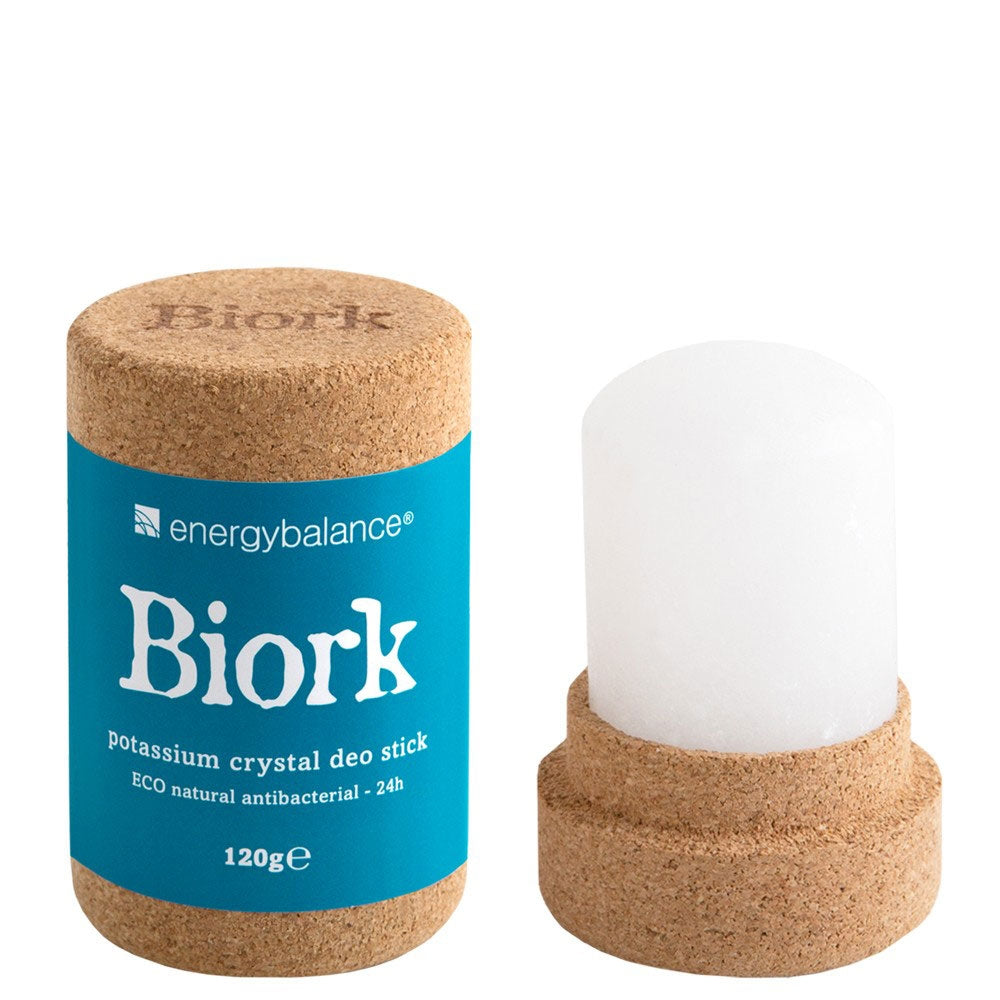
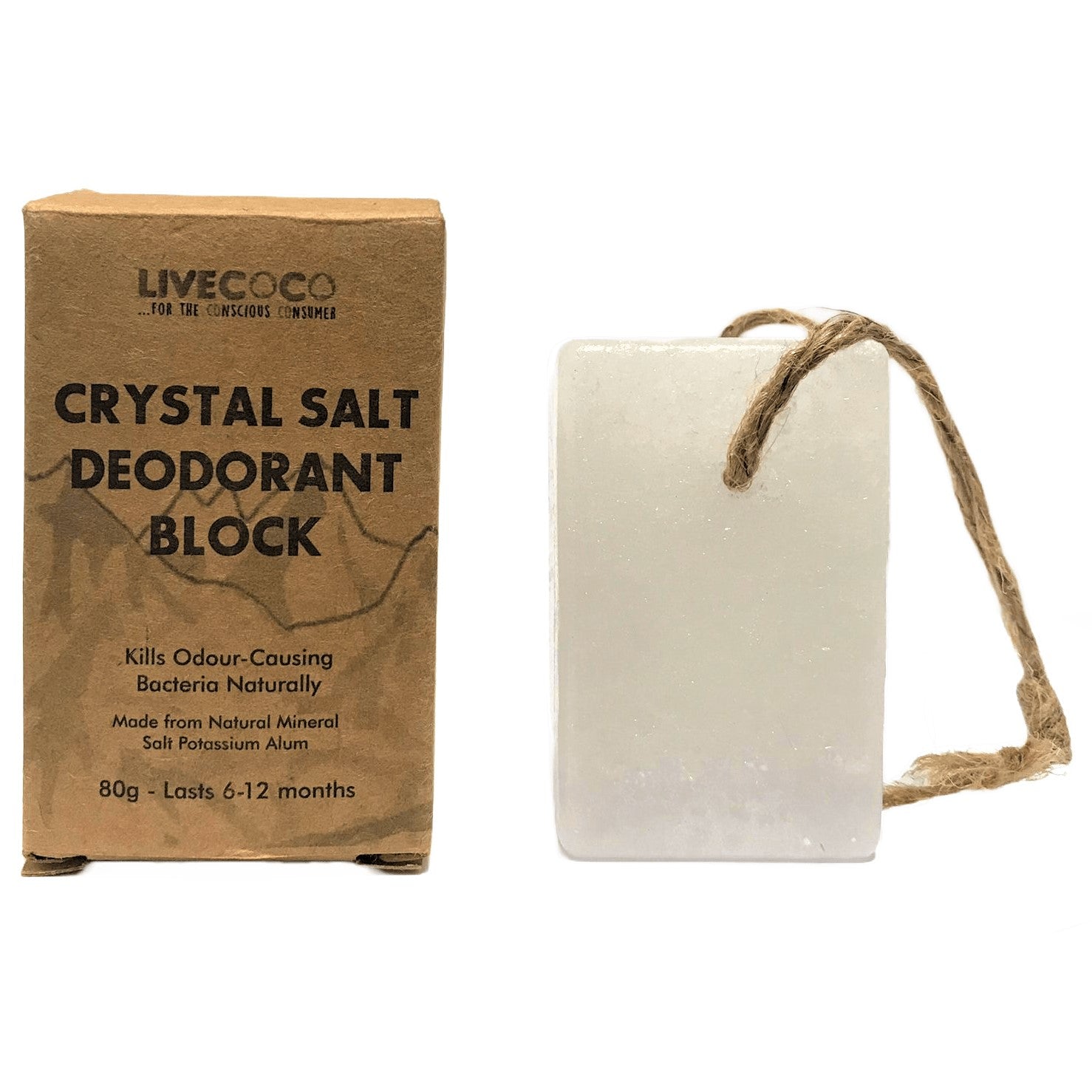
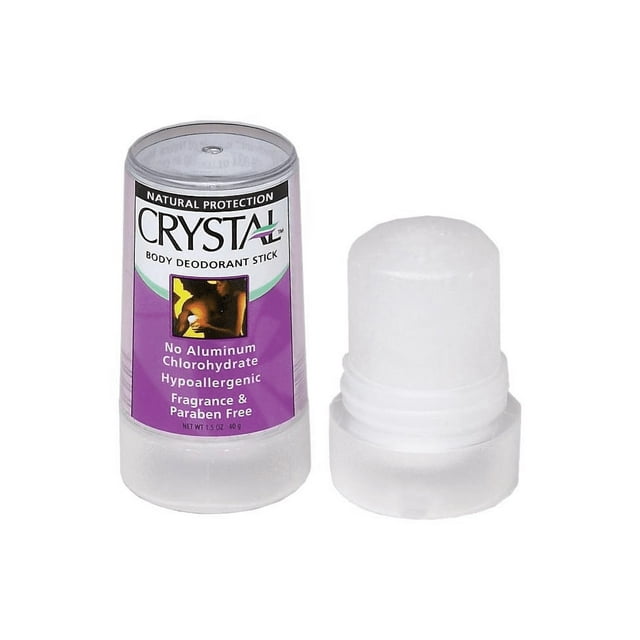
The reason I stopped using them was because after a while they can become crumbly and break easily, especially if your bathroom gets too humid when you shower. Note that none of the natural deodorants are antiperspirants. You will sweat!
deodorant vs antiperspirant
I know most people don’t think twice about what they swipe under their arms each morning ( including me years ago!), but there’s a big difference between deodorant and antiperspirant. Deodorants help control odor by targeting the bacteria that cause it, usually with ingredients like baking soda, alcohol, or essential oils. Antiperspirants, on the other hand, are made to stop you from sweating in the first place. They use aluminum-based compounds that temporarily block your sweat glands. That’s where things get a little controversial. I think messing up with our lymphatic glands can be really dangerous! Our bodies are built to sweat, and using chemicals to stop it can lead to serious consequences. Watch this video from Nutrition Facts to learn more.
Some studies have raised concerns about the long-term effects of aluminum compounds, which may be absorbed through the skin. Though the research isn’t conclusive, there have been questions about possible links to hormone disruption, breast cancer, and Alzheimer’s disease (NCI, NIH). On top of that, many conventional deodorants and antiperspirants are full of synthetic fragrances, parabens, and preservatives that can irritate your skin or throw off your body’s natural balance. That’s why more people are making the switch to natural deodorants—they don’t stop you from sweating (which is actually a healthy, detoxifying process), but they do help you stay fresh, without the questionable ingredients. Another positive: your white tops won’t have that yellow stain!
Why sweating is important for detoxification and body regulation
Sweating is one of the body’s natural and essential ways to keep us healthy. While most of us think of sweat as just something sticky and inconvenient, it actually plays a key role in regulating body temperature and supporting detoxification.
When your body heats up—whether from exercise, stress, or warm weather—sweat glands release moisture to help cool you down through evaporation. This cooling process helps prevent overheating and keeps your internal systems running smoothly. But that’s not all sweat does. Sweating also supports the body’s natural detox pathways by helping eliminate toxins, such as heavy metals (like lead and mercury), BPA, and other unwanted substances that build up from everyday exposure to pollution, processed foods, and chemicals in personal care products.
While your liver and kidneys do the heavy lifting when it comes to detoxing, sweating complements their efforts and helps lighten the load. That’s why blocking sweat with antiperspirants can interfere with one of your body’s built-in systems for balance and cleansing. Embracing natural deodorants that let your body sweat—but still keep odor in check—can be a gentler and healthier choice in the long run.
The Detox Phase: What to Expect When Switching
Many people sweat or smell more during the first 1–2 weeks. This didn’t happen to me, however I did experience a lot of irritation from the baking soda. My first recipe was the basic one (baking soda, arrowroot, and coconut oil), and it worked great for controlling odor but I had to cut the amount f baking soda in half. It took me a few weeks to be adjusted and to this day I no longer experience irritation.
If you experience irritation you might try adding more coconut oil and arrowroot, and add a few drops of tea tree or lemon essential oils as they fight bacteria. If the irritation continues, try the milk of magnesia recipe without baking soda.
Tips to Stay Fresh Naturally
Staying fresh naturally takes a little more intention, but it’s totally doable. A few simple habits can make a big difference in how your body adjusts to natural deodorant:
- Use witch hazel or apple cider vinegar as a natural underarm toner
- Shower daily and exfoliate once or twice a week
- Wear breathable, natural fabrics
How to Make Natural Deodorant
Making your own deodorant is not only easy but fun! There are so many recipes to play with. Here are the basic ingredients to a simple deodorant:
- Base ingredients: baking soda (or alternatives), arrowroot powder, coconut oil, shea butter
- Optional add-ins: essential oils (tea tree, lavender, lemon), bentonite clay, zinc oxide
tips for sensitive skin
The only ingredient that could be troublesome for people with sensitive skin is baking soda. While baking soda (sodium bicarbonate) is known for its odor-fighting power in natural deodorants, it can be a bit too strong for people with sensitive skin. That’s because baking soda is highly alkaline, with a pH of around 8–9, while our skin is naturally more acidic, with a pH closer to 4.5–5.5. This pH imbalance can disrupt the skin’s natural barrier, leading to irritation, redness, itching, or even a rash.
Some people also experience a burning or stinging sensation when using deodorants with baking soda, especially after shaving. Over time, continued use may worsen the irritation or cause skin sensitivity where there was none before. For those with delicate skin, it’s often better to choose a baking soda-free deodorant that uses gentler odor-fighting ingredients, like magnesium hydroxide (Milk of magnesia), arrowroot powder, clay, or zinc ricinoleate. These alternatives help neutralize odor without throwing your skin off balance.
storage tips and shelf life
Homemade deodorants typically last at least one month when stored in a clean, airtight glass container and kept in a cool, dry place—like your medicine cabinet or bathroom shelf. Because they don’t contain synthetic preservatives, it’s important to keep them away from moisture and direct sunlight to prevent spoilage or texture changes. If your deodorant contains natural oils or butters (like coconut oil or shea), you may notice it softening or hardening slightly depending on the room temperature—that’s totally normal!
For best results, always use clean fingers or a small spatula to apply your deodorant. This helps prevent introducing bacteria into the jar and extends its shelf life. If you notice any unusual smell, color changes, or separation over time, it’s a good idea to make a fresh batch.
Healthier Commercial Brands (for Those Who Don’t DIY)
I have used some of these brands in the past and they are all great. However, I don’t find any need in buying deodorants when the ones I make are so much better! Natural deodorants are also super affordable, and they are zero waste which to me is a major plus.
- What makes them better: no aluminum, clean ingredients, cruelty-free
- Tip: Always check labels — even “natural” ones can be greenwashed
Here are some brands I tried:
- Malin+Goetz
- Nécessaire
- Native
- Humble Brands (they have a paper container!)
- Tom’s of Maine
Basic deodorant recipe
This is the simplest recipe. The main ingredients are baking soda, arrowroot (or cornstarch), and coconut oil. Add essential oils to your preference. I prefer anti-bacterial essential oils: tea tree, lemon, lemongrass, orange, grapefruit, and eucalyptus.


Basic Deodorant Recipe
Ingredients
Method
- Mix all ingredients and store in a small container.
Creamy deodorant recipe
This recipe is from a book called Wild Beauty from Jana Blankenship. I love the creamy texture! This recipe makes about 1 cup, and it last me about 3 months! I keep it most of it in the fridge and a small amount in my medicine cabinet in the bathroom.


Creamy Natural Deodorant
Ingredients
Method
- Add some water to a saucepan over medium heat. In a glass or stainless steal bowl, add the wax and stir until completely melted. Add the coconut oil and shea butter and combine well. Remove from the heat and let it cool for 5 minutes.
- Add the arrowroot, baking soda, and mix well. When the mixture is warm to touch, add the essential oils.
- Transfer to a container and store in a cool and dry place.
- This deodorant will last about 1 month.
Milk of magnesia deodorant recipe
I use this recipe when my skin gets sensitive after shaving. It is effective and gentle for sensitive skin as the coconut oil moisturize the skin.


Milk of Magnesia Deodorant
Ingredients
Method
- Shake the milk of magnesia bottle well. Mix all the ingredients thoroughly and store the mixture in a glass bottle with dropper. Shake the liquid deodorant well before using If you prefer a creamy deodorant, simply add arrowroot until you reach your desired consistency, then transfer it to a glass jar or a squeeze bottle for easy use.
Notes
- lemongrass
- lemon
- eucalyptus
- grapefruit
Final Thoughts
Switching to natural deodorant is a small change that can have a big impact on your health and wellness. It can save you a lot of money, and is environmentally friendly. Whether you go the DIY route or try one of the brands above, you’re giving your body the freedom to function naturally—without harsh chemicals. Have fun experimenting, listen to your skin, and remember: sweat is part of being alive.